







Search Results for: High Grind Fineness High Speed
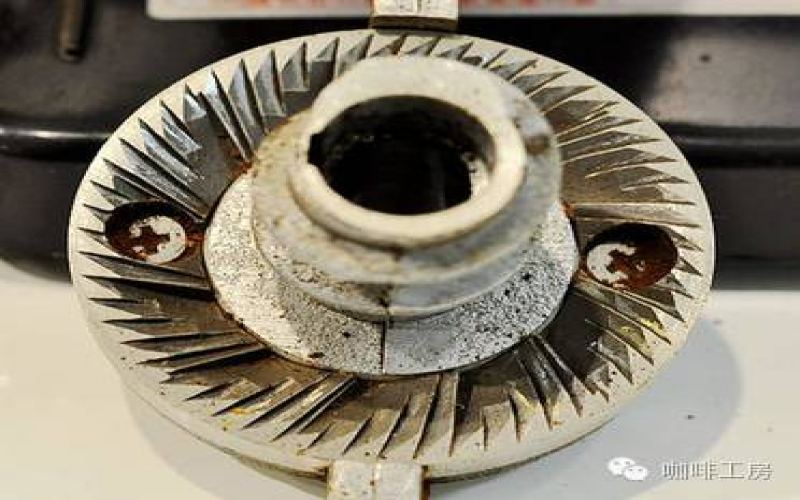
Coffee Grinder Buying Guide: How to Choose Between Flat Burrs, Conical Burrs, and Ghost Teeth, Plus a Full Analysis of Common Models' Grind Settings and Extraction
Faced with the dazzling array of coffee grinders on the market, many coffee enthusiasts find themselves paralyzed by choice. In truth, the coffee world has never had a single standard—different burr sets each have their strengths and weaknesses. Starting from burr types, this article takes a deep dive into the structural differences between flat burrs, conical burrs, and ghost-tooth burrs, along with their real-world impact on particle shape, extraction results, and final flavor. It also includes practical grind-setting parameters for commonly used models such as the Fuji Royal, Feiying, and Zheng Huang Hang, helping you find a grinding approach that suits your brewing method and taste preferences. [more…]
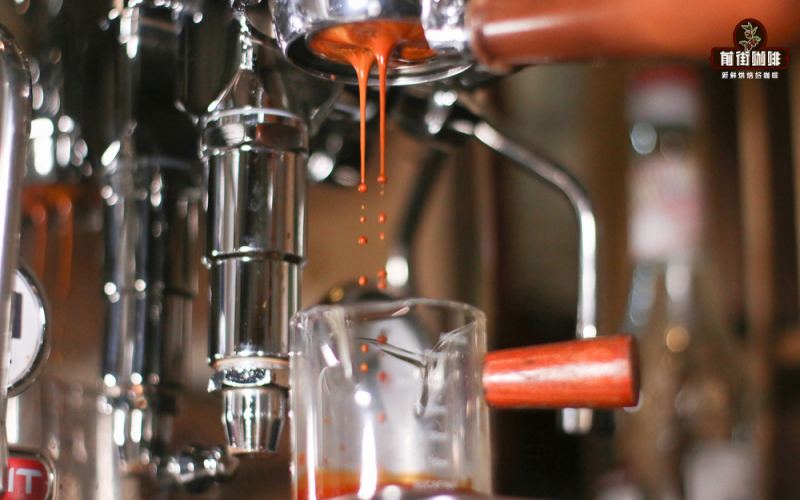
Espresso Extraction Parameters | What is the golden extraction ratio for espresso? What are the specific steps for extracting espresso?
Front Street Coffee has always emphasized that the extraction parameters for pour-over coffee have a significant impact on the cup, and for espresso the impact is even greater. You should know that factors such as the concentration and extraction time of espresso are more demanding than those of pour-over coffee, and the slightest [more…]
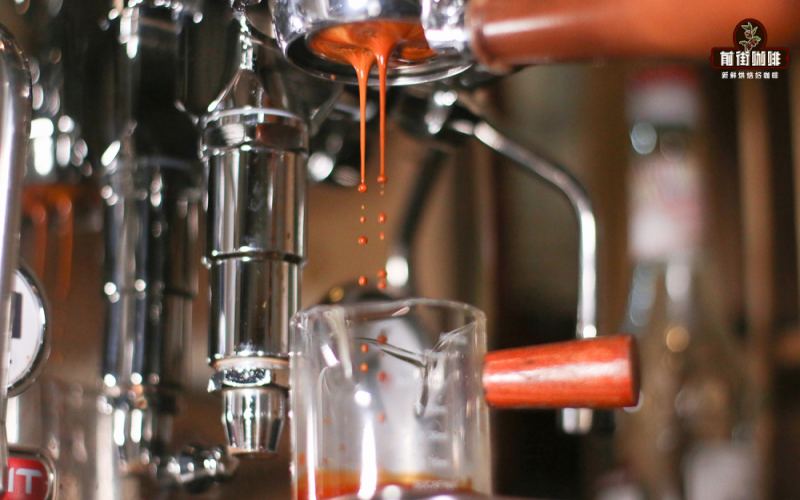
A Complete Guide to Espresso Extraction Parameters: From Dose, Ratio, and Time to a Quick Grind Size Calibration Guide
Espresso extraction is far more sensitive than pour-over, and any slight deviation will be magnified exponentially in the flavor. This article systematically breaks down the extraction parameters from six dimensions—dose, brew ratio, extraction time, flow rate, pressure, and temperature—and offers a quick approach to adjusting grind size. In addition, FrontStreet Coffee also provides practical suggestions on operational details such as weighing, distributing, tamping, and cleaning, helping you consistently reproduce a well-balanced espresso in your daily routine. [more…]
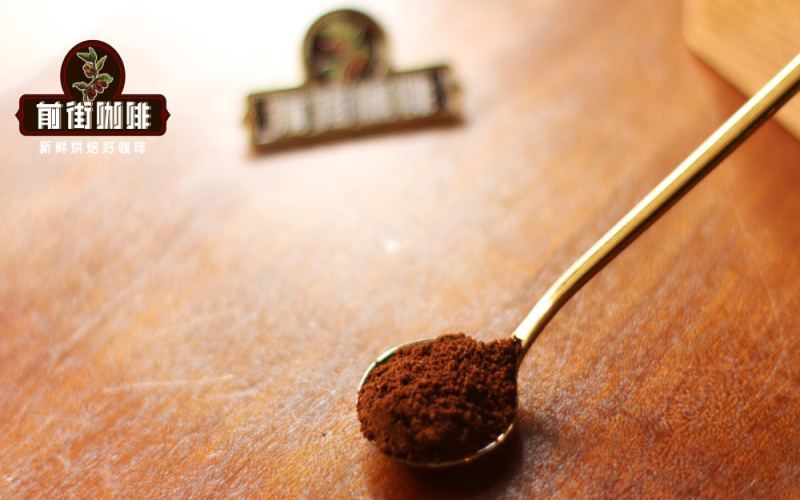
How to Determine the Grind Size for Espresso? A Complete Guide from Dialing-In Logic to Flow Rate Assessment
When making a proper espresso, choosing the grind size is often the most critical and most frustrating step. Unlike immersion brewing methods such as pour-over, an espresso machine relies on high temperature and high pressure to complete extraction in an extremely short time, which places demands on coffee grounds fineness and uniformity far beyond those of other brewing methods. If the particles are slightly too fine or too coarse, the flow rate can become abnormal, pushing the flavor toward over-extraction or under-extraction. This article will sort out the extraction principles of espresso from the ground up, explain the suitable grind fineness range, and provide a practical grinding adjustment process and flavor correction approach to help you quickly lock in the right grind setting even when facing unfamiliar beans. [more…]
How to Precisely Control Espresso Grind Size? A Complete Analysis of Particle Size Range and Adjustment Methods
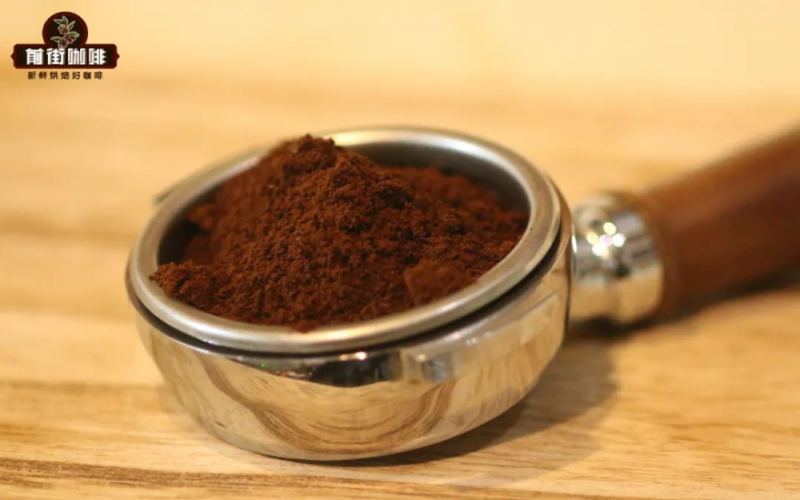
Grind size selection is a key factor determining coffee extraction quality. Because espresso uses high-temperature, high-pressure, short-time extraction, its requirements for particle fineness and uniformity are far higher than those of other brewing methods. This article will sort out the extraction principles of espresso from the beginning, explain why the grind particle size needs to be controlled within the 150–300 micron range, and detail how to calibrate the grind setting through flow-rate observation and taste judgment. It also provides specific daily grind adjustment steps, including debugging methods, coffee-to-liquid ratio references, and adjustment strategies for common problems such as bitter burnt notes, thin crema, and a short finish, helping coffee enthusiasts and professionals quickly find suitable grind parameters. [more…]
How to Adjust the Grind Size for Espresso? A Complete Parameter Guide from Dose and Ratio to Flow Rate
Espresso extraction is far more sensitive than pour-over, and any slight deviation in parameters will be multiplied in the flavor. Drawing on the practical experience of Front Street Coffee, this article systematically outlines the six core variables that affect espresso extraction—dose, brew ratio, extraction time, flow rate, extraction pressure, and extraction temperature—to help you understand how grind size should be adjusted and judged. At the same time, the article also explains in depth operational details such as weighing the grounds, distributing the grounds, tamping, machine extraction, and cleaning, and analyzes easily overlooked issues such as retained grounds and dosing grind errors. Whether you are a beginner just getting into espresso or an enthusiast hoping for consistent output, you can find actionable adjustment ideas here. [more…]

How to Fine-Tune the EK43 Grinder Settings? A Detailed Guide to Quickly Verifying Pour-Over Coffee Grind Size
Grind size is the key variable that determines the success or failure of a cup of coffee extraction. If the grounds are too fine, they tend to over-extract and become bitter; if the grounds are too coarse, the extraction is insufficient and the flavor is weak. Starting from the practical experience of Front Street Coffee, this article systematically explains the mechanism by which grind setting affects extraction efficiency, sorts out the grind ranges corresponding to different brewing methods such as espresso, pour-over, and French press, and focuses on explaining the setting of the EK43s grinder in the pour-over scenario—medium-light roast beans are recommended at 10, and medium-dark roast beans at 10.5. It also introduces the specific operation of using a 0.85mm No. 20 sieve for sifting verification, helping coffee enthusiasts quickly judge and correct the grind size, so that every cup of coffee can consistently present the ideal flavor. [more…]
From Grinding to Temperature Control: Systematically Master the Seven Core Elements of Stable Espresso Extraction
To consistently make a delicious Espresso at home or in a shop, relying on feel alone is far from enough—you need to understand and control several key variables. This article breaks down the hardware and operational points that affect espresso quality one by one, from grind uniformity, fixed dose, and tamping technique, to brewing pressure, water temperature, extraction yield, and machine materials. Whether you use a flat burr or conical burr grinder, a vibration pump or rotary pump, you can find practical adjustment ideas here. The article also shares Front Street Coffee's practical suggestions on equipment selection and parameter settings, helping coffee enthusiasts avoid detours and make every shot of espresso closer to the ideal state. [more…]
Espresso Coffee Powder-to-Water Ratio | How Many Milliliters Is 1 Shot of Espresso? What Is the Correct Way to Drink Espresso? Introduction to Espresso Extraction Recipes
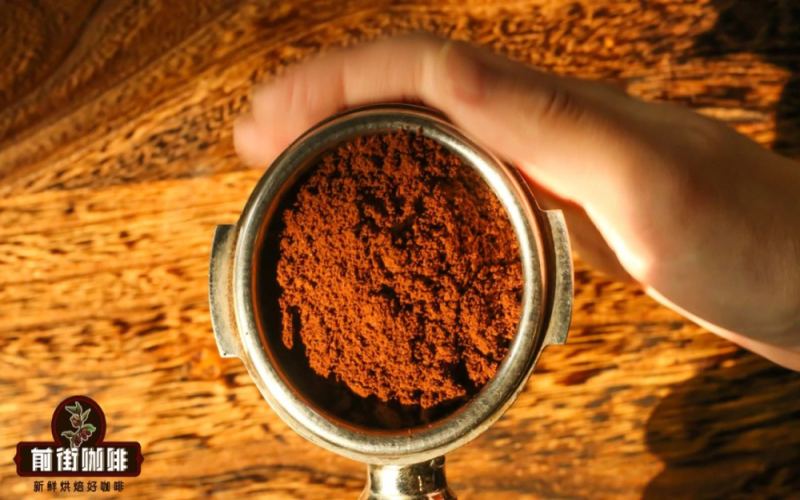
The standard espresso ratio is 1:2—a single shot uses 9g of grounds to yield 18g of liquid, and a double shot uses 18g of grounds to yield 36g of liquid. When actually pulling a shot, fine-tune based on this brew ratio and the taste. The grind size for espresso is also adjusted by referencing this extraction time: if it runs fast, grind finer; if it runs slow, grind coarser, until the extraction time matches. [more…]
Interpreting Standard Espresso Extraction Parameters: A Detailed Guide to the Espresso-to-Milk Ratio in Latte
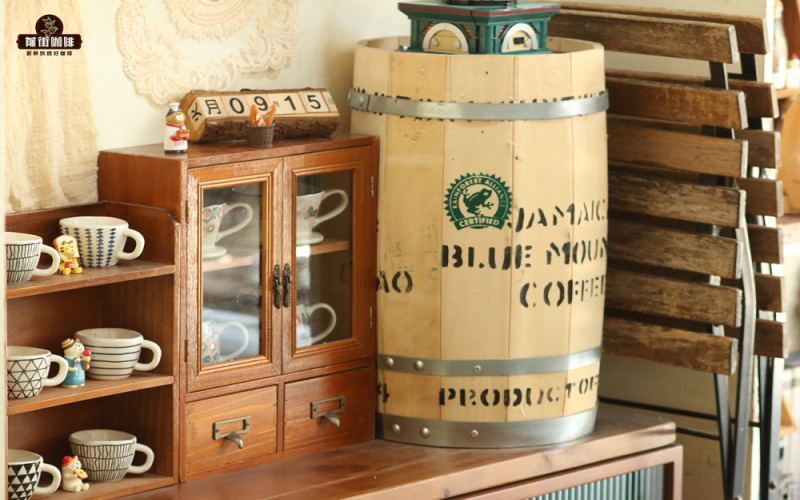
Although latte coffee is everywhere, actually making a delicious latte is not simple. Variables such as coffee bean flavor, milk quality, and extraction parameters all directly affect the final taste. This article will systematically sort out the extraction standards for espresso, analyzing the meaning and adjustment logic of extraction parameters one by one from six dimensions: dose, ratio, time, flow rate, pressure, and water temperature, while also exploring in depth the specific effects of factors such as coffee beans, grind size, and brew ratio on espresso flavor. On this basis, Front Street Coffee (FrontStreet Coffee) will also share the recommended matching ratio of espresso to milk in latte coffee, helping coffee lovers find a serving solution suitable for their own beans and milk. [more…]
12 Key Parameters That Determine Espresso Flavor and Bean Selection Strategies
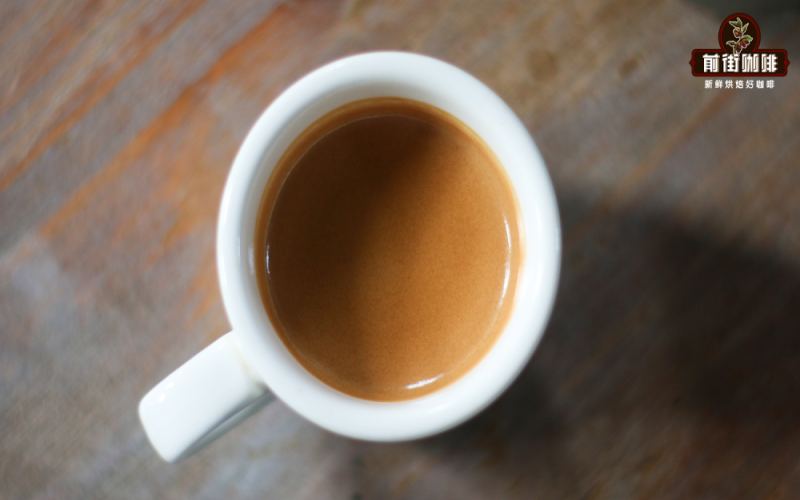
To craft an outstanding espresso, the choice of coffee beans and extraction parameters are both indispensable. Front Street Coffee starts with the differences between roast levels, blends, and SOE, sorts out four espresso blend options with different positioning, and analyzes one by one how the six major parameters—dose, brew ratio, extraction time, flow rate, pressure, and water temperature—affect the Espresso's mouthfeel. Whether you are practicing at home or selecting beans for a coffee shop's menu, these experiences can help you avoid common pitfalls and find a stable, on-point solution. [more…]
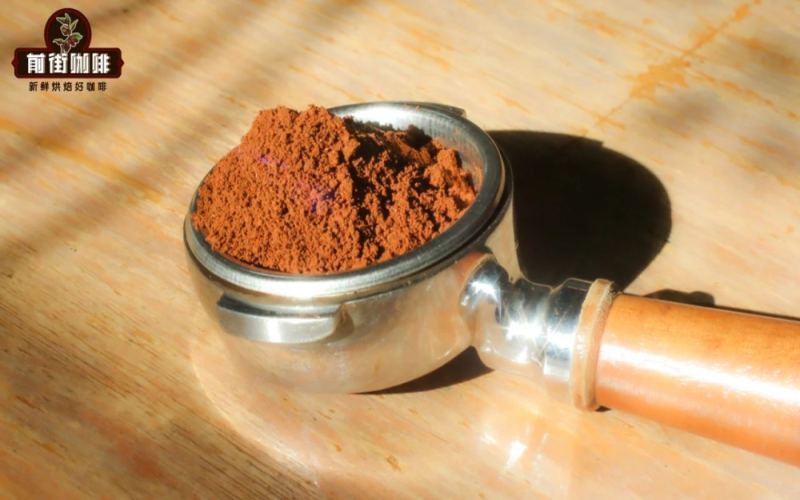
Espresso Flavor Variations | How Does the Coffee Grounds-to-Liquid Ratio in Espresso Affect the Extraction Process? Which Extraction Parameters Will Change the Taste of Espresso?
We usually see baristas making espresso with very neat and simple movements, and it seems they can make a rich coffee base in just two minutes. In reality, however, an ideal espresso requires controlling the ratios and balance among various parameters in order to pursue the best taste and flavor, and mastering these ratios requires [more…]

How to choose between a manual coffee grinder and an electric coffee grinder? A complete guide to buying considerations for beginners, from burr structure to budget needs.
As more and more people start brewing coffee at home, the grinder has become an indispensable piece of key equipment. Unlike a dripper or a pour-over kettle, which play only supporting roles, the quality of the grind directly influences how the flavor shows up in the cup. Yet when you open a shopping platform, grinder prices range from just over twenty yuan all the way to tens of thousands, and this huge price gap leaves many beginners unsure where to start. This article, drawing on Front Street's buying experience, will compare hand grinders and electric grinders in terms of burr structure, grind uniformity, portability, and price range, and offer specific recommendations for two scenarios—under a thousand yuan and with a generous budget—to help you find the one that truly suits you among the bewildering array of options. [more…]
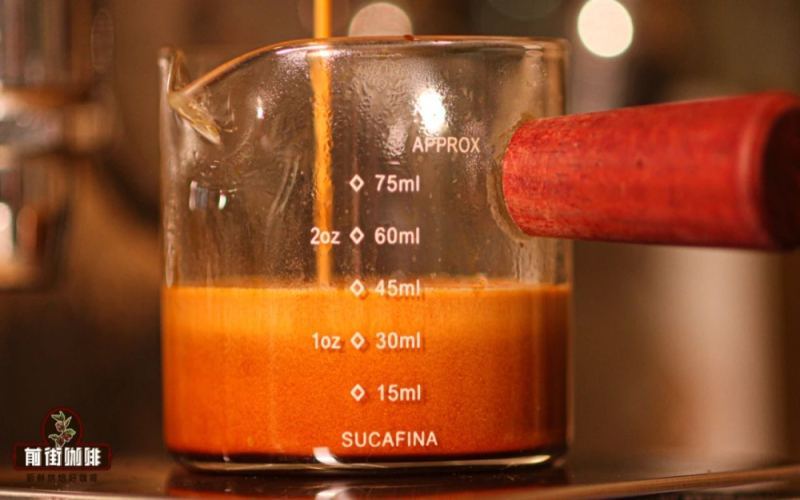
A Guide to Espresso Extraction Time and Pressure Adjustment: Complete Parameter Settings from Dose and Ratio to Flow Rate
Espresso extraction has never been something that can be solved with a fixed formula. The freshness of the coffee beans, the grind size, the brand and model of the espresso machine, the extraction pressure, and the stability of the water temperature—every one of these variables will cause the final cup's flavor to deviate. Precisely for this reason, in its educational articles Front Street Coffee rarely gives an exact extraction time figure the way it does for pour-over. This article will start from the dimensions of dose, coffee-to-water ratio, extraction time, flow rate, pressure, and water temperature, systematically sorting out how to customize a suitable espresso extraction plan for the blend in your hands, and will also introduce the methods for measuring and calculating espresso concentration and extraction yield, helping you find your own cup of good coffee within the Golden Cup reference range. [more…]
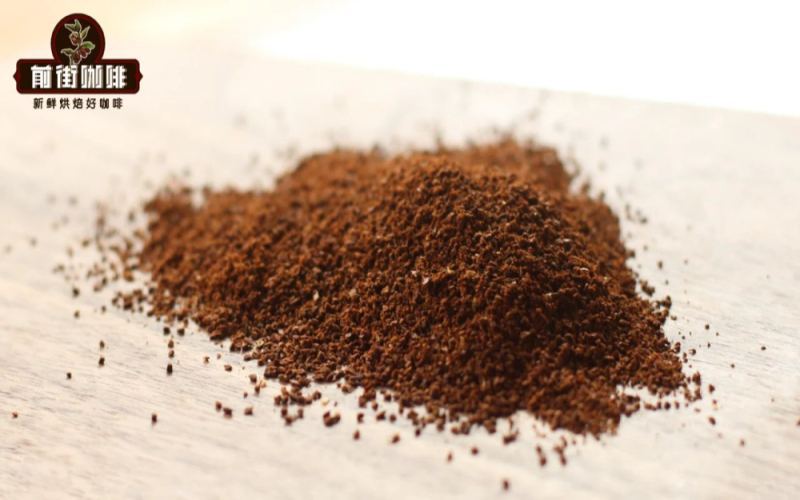
How Does Coffee Grind Size Affect Extraction? A Complete Analysis of Pour-Over and Espresso Parameter Adjustments
Grind size is one of the key variables determining coffee flavor. The finer the particles, the larger the contact area between hot water and coffee grounds, and the greater the resistance to extraction, which tends to prolong extraction time and increase the extraction yield; the coarser the particles, the opposite is true, and underextraction becomes likely. Different brewing devices have significantly different grind requirements, ranging from the flour-like extremely fine powder for a Turkish pot to the coarse particles for a French press, a very wide span. This article systematically sorts out the relationship between grind size, extraction time, and extraction yield, gives reference grind ranges for espresso and pour-over coffee, and, combined with Front Street Coffee's production experience, explains how to find a grind setting that suits you according to roast level and bean hardness, while also reminding you of the importance of daily maintenance of the grinder burrs. [more…]
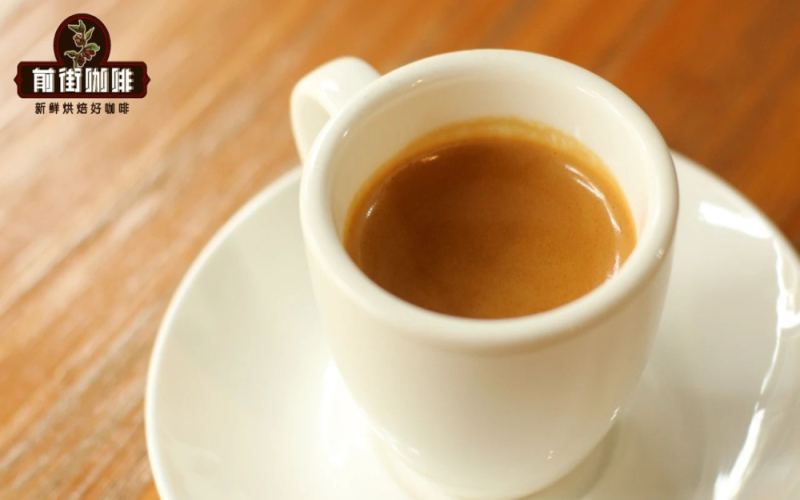
Illustrated guide to the entire espresso extraction process: Key points on grind size and coffee-to-water ratio control from bean resting to the final cup
To make a rich, well-balanced espresso at home, good beans alone are not enough. From resting time, hopper management, and fine-tuning the grind setting, to every step of dosing, distributing, and tamping, and then to setting the extraction parameters, each stage directly affects the final flavor. Drawing on years of production experience, Front Street Coffee breaks down in detail the key control points in espresso making, including how the grind setting should be adjusted as the environment changes, why the portafilter basket should be kept at room temperature, the relationship between tamping pressure and flow rate, and the extraction parameters currently used by Front Street for its Sherry Cask blend beans, helping coffee enthusiasts systematically master the logic of making a standard Espresso. [more…]
How to Choose Coffee Beans for Making Espresso? Analyzing the 12 Key Factors That Determine ESPRESSO Flavor
To make a satisfying espresso at home or in a café, choosing the right coffee beans is the first step. Drawing on Front Street Coffee's practical experience, this article first explains the logic of selecting espresso beans—why the roast level should not be too light, and the respective pros and cons of SOEs and blends—then introduces Front Street's four espresso blend options one by one, covering different needs such as economical everyday drinking, rich crema, classic specialty, and distinctive flavor profiles. The second half of the article systematically sorts out the twelve variables that affect espresso extraction, including dose, brew ratio, time, flow rate, pressure, and temperature, to help you further dial in the extraction to an ideal state after you have chosen your beans. [more…]
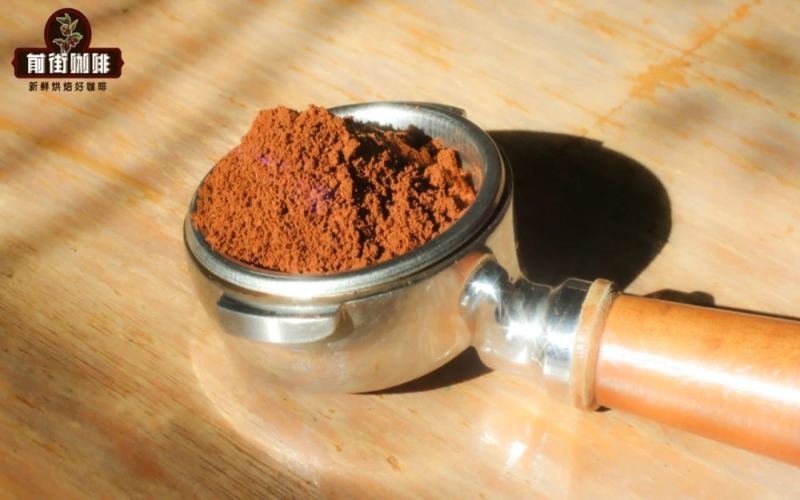
How to Control the Coffee-to-Water Ratio for Espresso? A Practical Guide to Extraction Parameters and Flavor Balance
A proper espresso is the result of a precise interplay among dose, yield, time, and grind size. As the most intuitive variable among them, the brew ratio directly determines the concentration, body, and flavor direction of the espresso. This article starts from the core logic of brew ratio, sorts out the correspondence between extraction yield and flavor, and, drawing on the hands-on experience of Front Street Coffee stores, explains how to stabilize the output by adjusting dose, flow rate, and grind size. In addition, the article also analyzes common misconceptions about making espresso with light-roasted beans and offers espresso blend bean recommendations suitable for home brewing, helping coffee lovers take fewer detours in their daily shots. [more…]

Pour-Over Coffee Sweetness Enhancement Guide: The "High, Fine, Large, Fast" Four-Word Formula and the High-Concentration, Low-Extraction Approach for Dark Roasts
Most of the sugars in coffee beans have already been transformed and degraded during roasting, and the remaining sweet-tasting molecules are easily masked by flavors such as acidity and bitterness. In this article, Front Street will break down the underlying principles of high-sweetness extraction and explain in detail the four-character brewing formula of "fine, high, large, fast"—grinding finer, raising the water temperature, increasing the flow rate, and speeding up extraction—using medium-light roasted beans as the experimental subject, demonstrating step by step the specific parameters and techniques for each stage; for medium-dark roasted beans, which are loose in texture and cannot withstand aggressive extraction, the "high concentration, low extraction" approach is recommended, paired with a Kono dripper and a simple one-pour technique, which can likewise brew a cup of coffee with full sweetness and restrained bitterness. At the end, the article also introduces diverse extraction methods such as variable-temperature brewing, for enthusiasts to try freely. [more…]
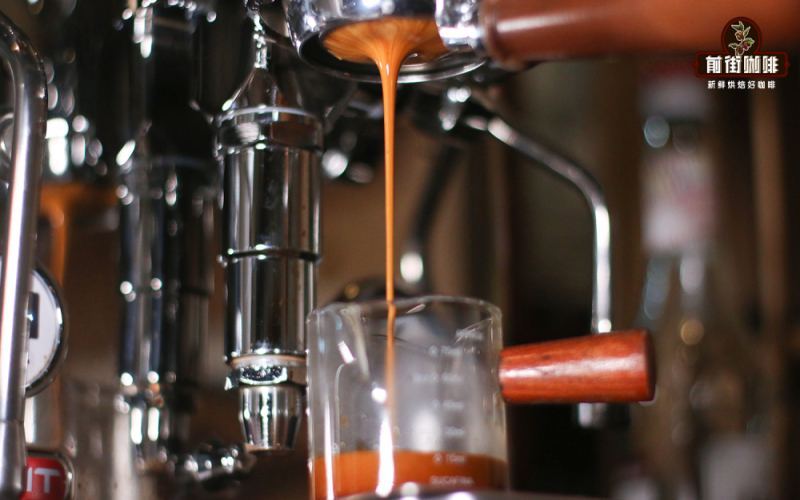
Espresso Extraction Time and Brew Ratio Standards: Why Can't Espresso Grounds Be Reused for Extraction?
To make a standard espresso, variables such as extraction time, coffee-to-water ratio, grind size, flow rate, pressure, and water temperature are all indispensable. Starting from Front Street Coffee's store experience, this article breaks down one by one several key parameters that affect espresso flavor, and explains why espresso grounds cannot be extracted a second time—once soluble aromatic substances have been released to about 22%, continuing to add water will only bring out off-flavor large molecules. In addition, it also summarizes the flavor characteristics of four Front Street espresso blend beans for coffee lovers to choose according to taste preferences. [more…]